


- Home
- Staying Connected
- GFF K&L Shares
- Service Delivery Post
October 27, 2025
|
12:57 PM
Three Questions With... Dr. Benjamin Kamala, a Senior Research Scientist at Haydom Lutheran Hospital
 by Global Financing Facility Knowledge & Learning Platform
 0.00
0.00
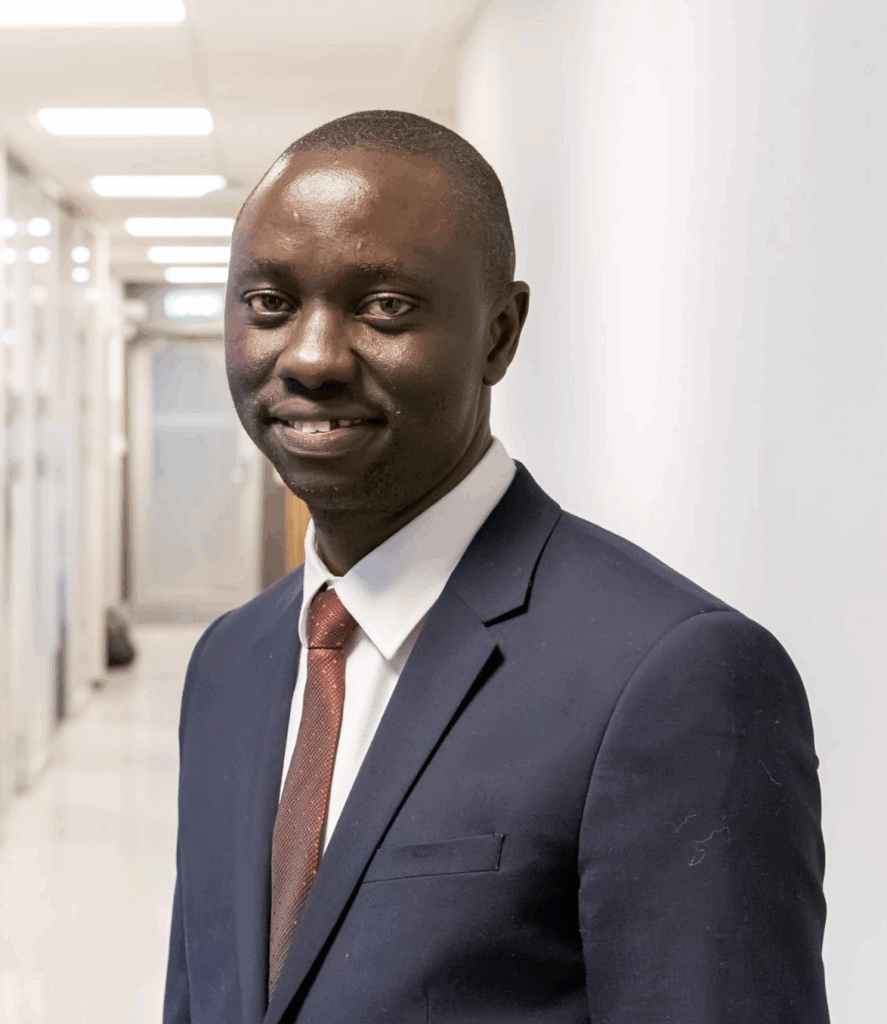 In our personality highlight for this issue, we speak with Dr. Benjamin Kamala, a Senior Research Scientist at Haydom Lutheran Hospital.
Tell us about yourself and your professional journey – what inspired you to pursue a career in clinical epidemiology and maternal and newborn health research?
I am an epidemiologist and public health specialist with an MD from Muhimbili University (2007), an MPH in Health Promotion and Health Economics from the Karolinska Institute in Sweden (2011), and a PhD in Epidemiology and Global Health from the University of Stavanger, Norway (2019). I have over 15 years of experience in public health activities, including qualitative and quantitative research, as well as the monitoring and evaluation of health interventions. Having studied disease epidemiology, I have found significant impact potential by implementing low-cost, yet innovative, quality interventions in low-resource settings. I believe that continuous quality improvement in the continuum of care, from antenatal to intrapartum and postnatal, will improve outcomes and save more mothers and newborns.
You currently lead the Safer Births Bundle of Care (SBBC) Initiative in Tanzania, which has demonstrated impressive results for mothers and newborns. What are some of the biggest lessons you’ve learned from implementing SBBC?
From my 10 years of experience studying and implementing maternal and newborn health interventions, several key lessons have emerged.
First, local ownership is essential from the very beginning. Engaging the local health workforce and government structures at national and subnational levels early in both planning and implementation builds trust, commitment, and a genuine sense of ownership over new innovations. When local actors help shape the process, the results are more sustainable and better aligned with community needs.
Equally important are local champions who are the engines of change, can lead training and drive cultural change. Simulation-based approaches have shown great promise in transforming and bridging the gap between theory into clinical practice. However, their success depends on facilitators within the system who can maintain momentum, guide their peers, and embed new practices into everyday care.
Innovations must also be outcome-driven, particularly in emergency care. When healthcare teams can see immediate and measurable improvements in patient outcomes, motivation and engagement grow. Designing interventions around clear indicators of success helps reinforce the value of these innovations.
A culture of data-driven learning further strengthens progress. Encouraging healthcare workers to actively use and interpret their own data not only improves care delivery but also enhances data quality itself. When teams see data as a tool for decision-making, it becomes a catalyst for continuous quality improvement.
Finally, lasting impact depends on ongoing mentorship and supportive supervision. Regular follow-up and guidance help solidify skills, reinforce accountability, and sustain improvements over time. Together, these elements create the foundation for resilient, high-performing health systems.
Looking ahead, what opportunities do you see to further strengthen maternal and newborn health in resource-limited settings that are off-track for achieving the SDGs?
Opportunities exist, and there is a greater political will to support maternal and newborn interventions. The implementation of the Safer Births Bundle of Care has shown that it is possible to implement low-cost interventions with the potential to bring about great impact. It is high time to invest in proven interventions, tailoring them to fit into a specific context.